Category: Uncategorized
-

In Cambodian markets the cheap aluminum pots you see everywhere are often made from recycled scrap metal — common in Cambodia, Vietnam, China, and India imports. Multiple studies across Southeast Asia and other developing countries have found that a worrying percentage of these pots (sometimes up to 1/3) leach lead into food, especially when cooking…
-
Drinking coffee to keep you awake after 12 cancels out all longevity benefits Coffee drinkers live longer, but only if you drink it in the morning Morning-only drinkers: + 16% lower risk of death + 31% lower risk of cardiovascular death Compared to non coffee-drinkers
-

Monday is often considered the most stressful day of the week, and statistics back this up. Here are some key findings: 1. Increased Stress and Anxiety A 2023 survey by LinkedIn found that 66% of professionals experience “Sunday Scaries,” a feeling of anxiety about returning to work on Monday. A study published in the American…
-

Sleep deprivation is a major public health concern, affecting both physical and mental well-being. Here are some key statistics and health impacts: General Sleep Deprivation Statistics Adults: About 35% of U.S. adults report sleeping less than the recommended 7 hours per night. Teens: Nearly 73% of high school students don’t get enough sleep on school…
-
https://youtube.com/playlist?list=PLBFrjsOMziwGPlr-5s-N-WYaYdtxVrGeZ&si=rFVUsyHDqS1ukUNt
-
“There was a Japanese government review in 2010, which found that 82% of the people aged over 100 in Japan turned out to be dead. The secret to living to 110 was, don’t register your death.” Newman says that the so-called Japanese centenarians are mostly found in places where American bombers destroyed records in World…
-
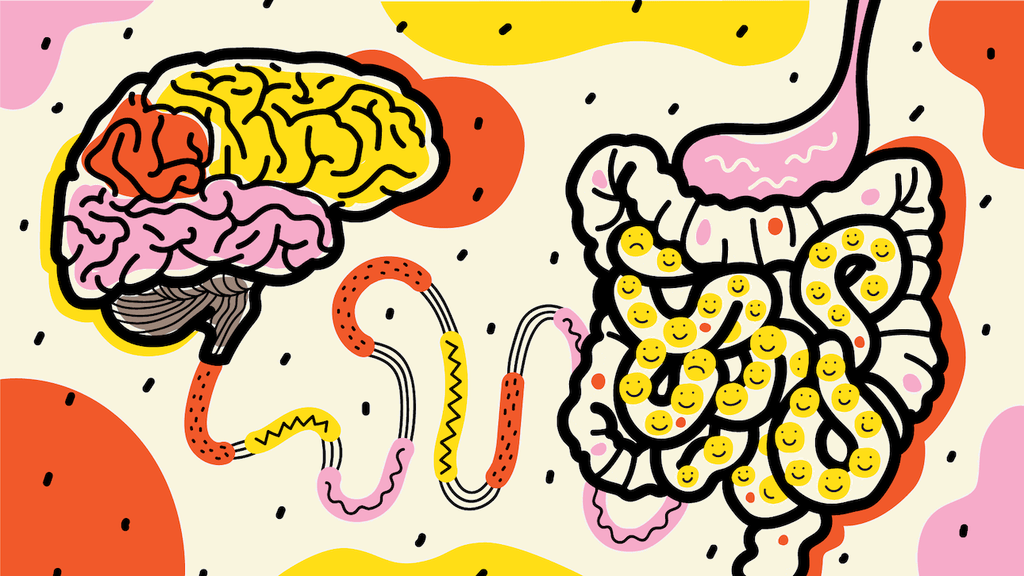
For years people have thought that their anxiety and depression are either all in their head or a product of their environment, however, Gary says the gut is the crucial hub for mental well-being. He believes that our gut functions like an assembly line.
-
Without dieting exercises don’t help to lose weight! (1:03:00)
-
Scientists have developed and tested a new potential treatment for cancer that works in a similar way to the COVID-19 vaccines. The technique involves delivering mRNA molecules to cancer cells and tricking them into producing toxic proteins that kill the tumors.
 Alec's blog on health